
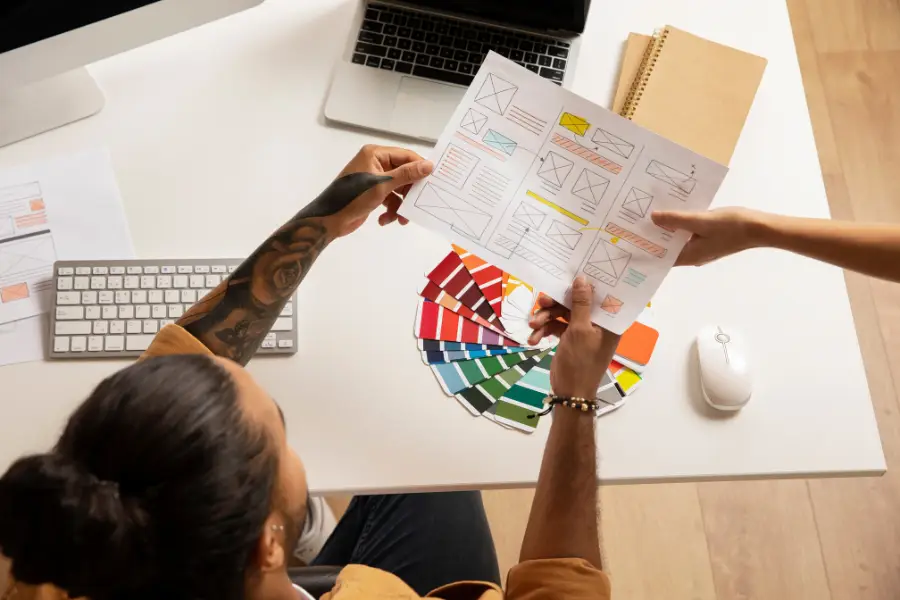
The branding landscape is evolving faster than ever, and 2026 promises to bring transformative changes that will redefine how businesses connect with their audiences. As we move into this new era, staying ahead of design trends isn’t just about aesthetics—it’s about remaining relevant, authentic, and memorable in an increasingly competitive marketplace.
Why Branding Trends Matter More Than Ever
Think about the last time you scrolled through your social media feed or walked through a shopping mall. What made you stop? What caught your attention? In today’s oversaturated marketplace, your brand has mere seconds to make an impression. The businesses thriving today aren’t just following trends—they’re anticipating them.
Your brand is more than just a logo or color scheme. It’s the emotional connection you forge with your customers, the promise you make with every interaction, and the story you tell without saying a word. As consumer expectations evolve and technology reshapes how we communicate, outdated branding strategies can make even the most innovative companies feel irrelevant.
The cost of falling behind is real. Brands that cling to yesterday’s design language risk being perceived as outdated, disconnected, or simply invisible. Meanwhile, businesses that embrace emerging trends strategically position themselves as industry leaders, attracting both customers and top talent.
But here’s the catch: not every trend deserves your attention. The key is understanding which movements align with your brand values and resonate with your specific audience. That’s exactly what we’ll explore in this guide—the trends that matter, why they matter, and how you can leverage them to strengthen your brand’s position in 2026 and beyond.
The Key Trends Reshaping Branding in 2026
1. AI-Augmented Brand Identities
Artificial intelligence is no longer just a tool—it’s becoming a collaborative partner in the creative process. In 2026, we’re seeing brands leverage AI to create dynamic, adaptive identities that respond to user behavior, context, and preferences. This doesn’t mean generic, automated design. Instead, forward-thinking businesses are using AI to personalize brand experiences at scale while maintaining a cohesive core identity.
The key is finding the balance between technological innovation and human creativity. Brands that successfully integrate AI into their design process while maintaining authentic human oversight will stand out.
2. Hyper-Personalization Through Dynamic Logos
Static logos are giving way to dynamic brand systems that adapt to different contexts, audiences, and platforms. Think logos that change colors based on user preferences, adjust their complexity depending on the medium, or incorporate real-time data to stay relevant. This trend reflects a broader shift toward treating brand identity as a living system rather than a fixed asset.
3. Sustainable and Purpose-Driven Design
Consumers in 2026 are more environmentally and socially conscious than ever. They’re scrutinizing not just what brands say, but how they show it through design choices. From minimalist packaging that reduces waste to color palettes inspired by nature, sustainable design is moving from niche to necessity. Brands that authentically communicate their environmental and social commitments through design will build deeper trust with their audiences.
4. Retro-Futurism and Y2K Revival
Nostalgia continues to be a powerful force in branding, but 2026 brings a fresh twist. We’re seeing a revival of Y2K aesthetics—metallic finishes, iridescent colors, and futuristic typography—but reimagined with today’s sophisticated design sensibilities. This trend works because it combines the comfort of the familiar with the excitement of the new.
5. Bold Typography as the Hero
Forget image-heavy designs. In 2026, typography is taking center stage. Brands are using custom, expressive typefaces as their primary design element, creating instant recognition without relying on complex graphics. This trend is particularly effective in digital spaces where boldness cuts through the noise and readability matters more than ever.
6. Immersive 3D and Spatial Design
As augmented reality and virtual spaces become mainstream, brands are extending their identities into three-dimensional environments. From 3D logos that can be viewed from any angle to spatial brand experiences in the metaverse, this trend requires thinking beyond flat design. Businesses that prepare for this spatial future now will have a significant advantage.
7. Authentic, Unpolished Aesthetics
Perfection is out; authenticity is in. Consumers are increasingly drawn to brands that feel real, human, and approachable. This translates to design choices that embrace imperfection—hand-drawn elements, uneven textures, and organic shapes that feel crafted rather than manufactured. This trend is particularly powerful for brands wanting to build genuine emotional connections.
8. Inclusive and Accessible Design
Inclusivity in branding goes far beyond diverse representation in marketing materials. In 2026, brands are embedding accessibility into their core design systems—ensuring color contrasts work for visually impaired users, creating logos that work in grayscale, and designing experiences that welcome everyone. This isn’t just ethical; it’s smart business that expands your potential audience.
9. Kinetic Branding and Motion Design
Static branding is giving way to motion. With digital touchpoints dominating customer interactions, brands are developing signature movements, transitions, and animations that become as recognizable as their logos. Think about how a streaming service’s loading animation or a brand’s notification sound becomes instantly identifiable.
10. Minimalism with Warmth
The cold, stark minimalism of previous years is evolving. In 2026, we’re seeing minimalist design infused with warmth through soft color palettes, organic shapes, and subtle textures. This approach maintains the clarity and focus of minimalism while adding emotional resonance that makes brands feel more human and approachable.
How to Apply These Trends to Your Business
Not every trend will be right for your brand, and that’s okay. The goal isn’t to chase every new development but to thoughtfully integrate trends that align with your brand values and resonate with your audience. Start by auditing your current brand identity, identify where it feels outdated or disconnected, and consider how these emerging trends might address those gaps.
Remember, successful branding isn’t about following trends blindly—it’s about understanding the cultural shifts behind them and finding authentic ways to evolve your brand accordingly.
If you’re looking to modernize your brand identity or redesign your logo with 2026-ready trends, Check out our Brand and Logo Development Services to make your brand thrive.
Looking Ahead
The brands that will thrive in 2026 and beyond are those that view design not as a one-time project but as an ongoing conversation with their audience. They’re bold enough to innovate, wise enough to stay true to their core values, and flexible enough to adapt as the landscape evolves.
At Kmarks Web & Computer Solutions, we help businesses navigate these evolving trends while maintaining brand authenticity and driving real results. Whether you’re looking to refresh your existing brand or build a new identity from the ground up, staying informed about these trends is your first step toward a brand that doesn’t just keep up—but leads the way.
